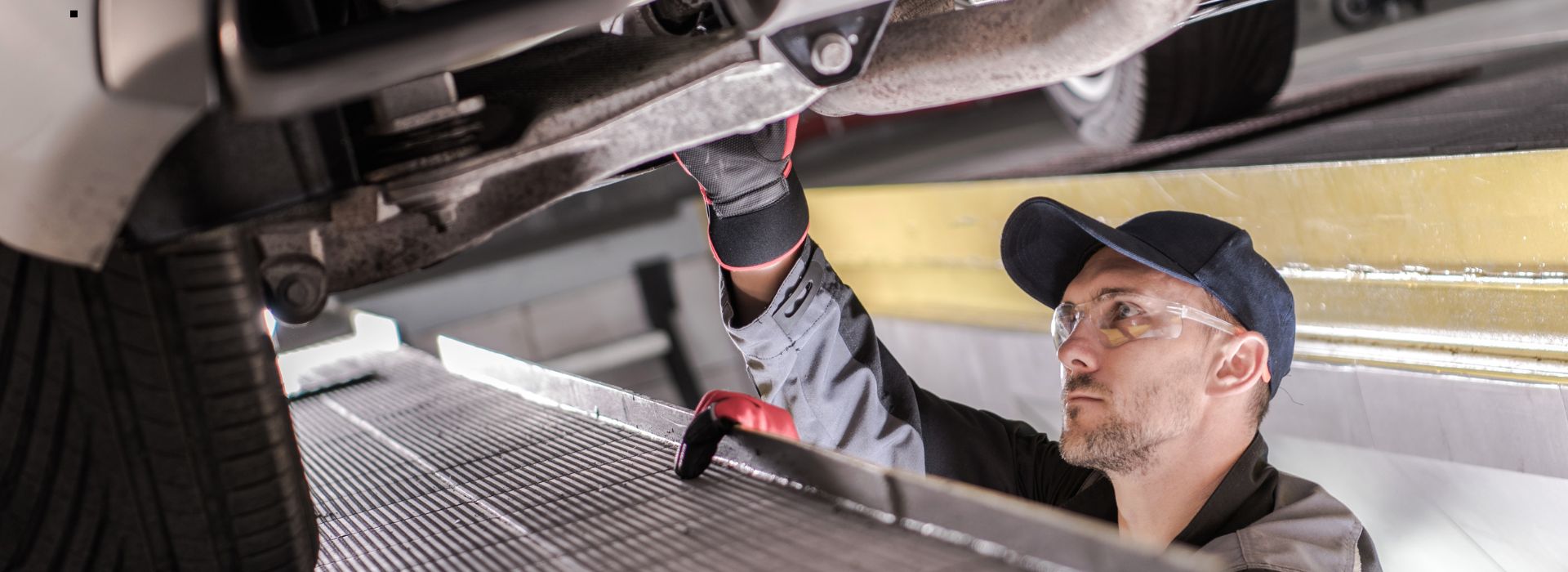
Driveshaft damage always seems to happen at the worst possible moment when you’re out in the bush or on a remote worksite. When it does, you’ll have to decide whether to repair or replace. The right answer depends on the damage and your vehicle, so we’ll walk you through it to help you make the right choice.
Repair or Replace? The Key Factors
There’s no obvious right answer, but there are clear factors that point toward one option or the other.
Type of damage: Gradual wear is usually best addressed by replacing the affected assembly. The components are relatively inexpensive, and labour costs are low. On the other hand, impact damage might only result in a slight bend in an otherwise sound shaft, which can be fixed by a specialist.
Parts availability: For common vehicles, replacement shafts are usually in stock and can be fitted quickly. For modified vehicles, older models or commercial equipment, sourcing a replacement part can take time. Repairing the existing shaft may get you back on the road faster.
Cost: Repair isn’t always the cheaper option. Always factor in inspection, straightening, rebalancing and labour alongside the cost of a replacement part before making a decision. As driveshaft specialists, we can give you an honest comparison to help you decide.
Case Study: When Replacement Makes Sense
Tim drives a 4WD HiLux and loves to hit the trails with his friends and family. For his latest adventure, he’s headed down to the beach for some camping and soft sand driving. But one of his driveshafts has a split CV boot, and grease has been leaking out of the joint. Over the course of the weekend, sand, grit and salty water get into the CV joint, damaging ball race and causing rust to form on the axle spline. Eventually, this leads to excessive play in the CV joint, which Tim notices when his steering wheel starts to vibrate while accelerating.
Because the HiLux runs standard factory components and the damage is spread across multiple parts of the assembly, replacing the full driveshaft is the most cost-effective and reliable fix. It’s a quick, straightforward job and Tim is back on the road the same day.
Case Study: When Repair Makes Sense
Barbara works at a mining operation in outback Queensland and drives a modified Amarok — lifted and fitted with heavy-duty driveline components. Barbara’s team heads off-road to get to their worksite for the day. She makes a small mistake over an obstacle, and the underside of the Amarok takes a big hit on a rock. The vehicle seems fine, but as Barbara attempts to drive away, steering becomes difficult and there’s a noticeable vibration in the steering wheel. She decides to call for a tow rather than doing further damage to the vehicle.
We’d recommend that Barbara has her driveshaft inspected and repaired if possible. Heavy-duty components are built tough, so there’s a good chance that the damage is minor and can be repaired.
There are two challenges with this type of repair:
- Firstly, we need to inspect the rest of the driveline, suspension, wheels and tyres for damage. A big hit can damage wishbones, tie rods, shocks and wheels, and each of these issues will need to be addressed.
- Secondly, bent driveshafts need to be rebalanced. While the damage is likely minor, repairing the bend requires specialist skills and balancing equipment. This can only be done by a driveshaft specialist.
So Barbara logs the issue and the vehicle is taken in for an inspection. The technicians find that the driveshaft is slightly bent, but the suspension is unaffected, and they are able to repair the problem.
Once the bend is removed from the shaft, it can be balanced and checked for concentricity before it’s reinstalled in the Amarok. That’s a quicker and more cost-effective option when compared to replacing a specialty heavy-duty component.
Warning Signs of a Damaged Driveshaft
Driveshaft problems rarely appear without warning. Here are the most common symptoms to watch for:
Vibration under acceleration: A wobble or shudder that gets worse as you speed up often points to a worn or damaged driveshaft, particularly one that’s out of balance.
Clunking or knocking when changing gears: A worn joint can cause a distinct knock when you shift from drive to reverse, or when you accelerate from a standstill.
Shuddering on turns: If you feel a rhythmic shudder through the steering wheel or floor when turning, especially at low speed, a worn CV joint is a likely culprit.
Grease on the inside of your tyres or under the vehicle: This is a telltale sign of a split CV boot. Once the boot tears, grease escapes and contaminants get in. Left unchecked, you’re in for trouble.
Squeaking or clicking noises: Unusual sounds from underneath the vehicle, particularly during turns or acceleration, can indicate a joint that’s running dry or failing.
If you notice any of these symptoms, don’t ignore them. A damaged driveshaft that’s left unaddressed can cause further damage and turn a straightforward repair into a much more expensive one.
Driveshaft Maintenance: How to Avoid the Problem Altogether
The best driveshaft repair is the one you never need, and a little routine attention to your vehicle goes a long way.
Inspect your CV boots regularly: Boots are cheap and easy to replace when caught early, but a split boot left unaddressed will destroy the joint behind it. Check them every time you do an oil change or rotate your tyres.
Regrease joints as required: Some joints have grease nipples and benefit from periodic regreasing. Check your vehicle’s service schedule and don’t skip this step.
Rinse the underside after beach or water crossings: Salt water and fine sand are particularly corrosive. A rinse with fresh water after beach driving or river crossings removes contaminants before they can cause damage.
Get the driveline inspected after a heavy impact: Even if the vehicle seems to drive fine after hitting something, a bent shaft can cause progressive damage if left unchecked. Have it looked at by a specialist before your next trip.
Let the Experts at Driveline Repair or Replace Your Driveshaft!
Driveshafts and propshafts are a crucial part of keeping your vehicle moving. It can be dangerous or impossible to continue driving if these parts become damaged. When that happens, you’ll need help from the technicians at Driveline!
Driveline is Australia’s underbody and power transmission specialist. We have 12+ locations across Australia and access to tens of thousands of unique components on our shelves. That means we can offer driveshaft solutions for almost any vehicle.
We offer driveshaft repairs and replacements for passenger vehicles, 4WDs, on-road and off-road trucks, as well as all types of commercial equipment. Our international network allows us to provide expert advice and replacement parts that can get you back on the road sooner.
Contact us if you’ve noticed signs that your driveshafts are damaged, and let our technicians inspect the issue!