Differentials are responsible for transferring the power of the engine to the driven wheels. These components are built to high tolerances and they work incredibly hard, especially in commercial vehicles.
When you need to be able to rely on your vehicles, differential servicing and repair is a crucial part of maintaining your fleet. Proactive servicing and repair maximises uptime, reduces the likelihood of breakdowns, and reduces the need for costly replacements.
Driveline Services Australia are the experts when it comes to economical and reliable differential services. Contact us for an inspection if you notice the following problems with the differential in your vehicle.
What is a Rear Differential?
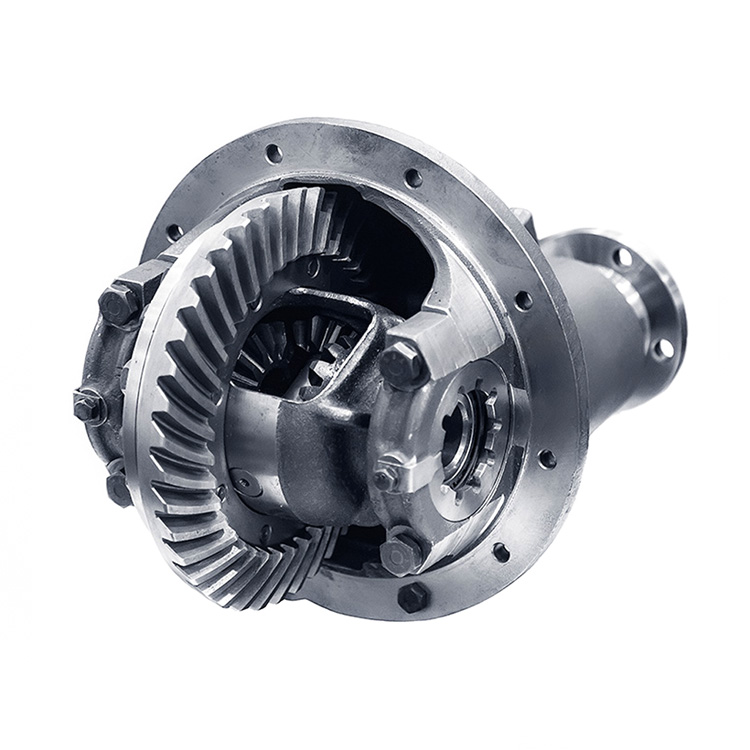
A differential (often called a diff) is a gear train that transfers power from the engine to the driven wheels of a vehicle. Diffs also allow the wheels to rotate at different speeds while cornering, which is crucial for vehicle handling and performance.
In most cases, the differential is located on the rear axle. It translates longitudinal power from the propshaft into latitudinal power across the rear axle or driveshafts.
Rear-wheel drive, all-wheel drive and four-wheel drive vehicles have a rear differential. Front-wheel drive vehicles (as well as some types of rear and four-wheel drive vehicles) use a transaxle, which combines the functions of a differential and transmission.
Transaxles and alternative differential arrangements are subject to the same stressors as conventional differentials, so they require regular servicing to prevent breakdowns.
7 Signs of a Failing Rear Diff
Differentials are tough assemblies that rarely fail all at once. Instead, the internal components and bearings wear out gradually and may become damaged due to rust, contamination, or sustained heavy loads.
In fact, most rear differential failures stem from neglected maintenance, making early signs especially important to catch. These are the most common symptoms of a failing rear diff:
- Grinding, howling or clicking noises
Differentials make all sorts of noises as they wear out. Listen for clicking or grinding noises when you accelerate or steer through a corner. Listen for howling noises when driving at high speeds.
- Vibrations and shaking
Faulty diffs often cause noticeable vibrations, especially while accelerating. Excessive vibrations are a sign of a major fault and should be repaired as soon as possible to avoid further damage.
- Difficulty steering
A worn out diff can cause your vehicle to pull to one side or become difficult to steer.
- Oil leaks
Diffs contain oil that provides lubrication and keeps the internal components cool. Oil leaks should be addressed as soon as possible.
- Excessive or uneven tyre wear
A worn-out diff often causes tyres to wear down unevenly. Look for excessive wear, uneven wear patterns, or damage concentrated on the outside edge of the tyre, such as cracks or missing chunks of rubber.
- Overheating, burning smells or smoke
Diffs can overheat when operating at high speeds, hauling heavy loads, or running low on lubricant. Fresh differential fluid typically has a mild, sweet or chemical smell, while a strong burnt odour signals severe overheating.
If you notice a burning smell, smoke from the rear of the vehicle, or fluid that’s turned dark or gritty, this is a sign your diff is under serious thermal stress and needs urgent attention. Regular overheating can also indicate that your diff and/or gear ratios are unsuitable for your application.
- Discoloured or contaminated differential fluid
Healthy diff fluid should look clean and consistent. A metallic smell or appearance can indicate metal particles in the fluid from internal wear, while a milky or frothy texture can point to water contamination, common in vehicles that regularly travel through water, mud, or wet conditions. Either of these is a strong indicator that an inspection is needed before the issue escalates.
Bad Rear Diff Symptoms
Differentials are tough assemblies that rarely fail all at once. However, the internal components and bearings wear out over time, and they may become damaged (especially due to rust or off-road driving). These are some of the most common symptoms of a failing rear diff:
- Grinding, howling or clicking noises. Differentials make all sorts of noises as they wear out. Listen for clicking or grinding noises when you accelerate or steer through a corner. Listen for howling noises when driving at high speeds.
- Vibrations and shaking. Faulty diffs often cause noticeable vibrations, especially while accelerating. Excessive vibrations are a sign of a major fault and should be repaired as soon as possible to avoid further damage.
- Difficulty steering. A worn out diff can cause your vehicle to pull to one side or become difficult to steer.
- Oil leaks. Diffs contain oil that provides lubrication and keeps the internal components cool. Oil leaks should be addressed as soon as possible.
- Excessive tyre wear. A worn out diff often causes tyres to wear down quickly. Look for signs like excessive wear, uneven wear marks, or damage towards the outside of the tyre (e.g. cracks or chunks of rubber missing).
- Overheating. Diffs may overheat when operating at high speeds or when hauling heavy loads. This reduces the performance of the lubricants and can damage internal components. Regular overheating may be a sign that your diff and/or gear ratios are unsuitable for your application.
When to Have Your Differential Repaired
You should have your diff repaired at the first sign of trouble.
Differentials are built to tight tolerances. As components like bearings wear out, small imperfections can turn into major wear and tear. This can turn a simple repair job into a major rebuild project.
Diffs should always be repaired by the diff specialists at Driveline. Repairing and reassembling a diff requires specialist equipment and expertise. Working with a diff specialist is the only way to ensure your diff is repaired to OE standards and that it’s suitable for your application.
Diff Rebuild vs Replacement
If your diff is damaged, worn or reaching the end of its life, you’ll need to decide between a rebuild and replacement.
While diff repairs typically involve replacing major bearings and seals, a full rebuild may include replacing bearings, seals and gears. This is ideal if your diff has damaged or corroded components, or if you’re looking to upgrade to heavy-duty components.
Rebuilding a diff can be time and labour intensive. In some cases, it may be more cost-effective to replace the entire unit. The right choice depends on your budget, timeframe and whether parts are available for your vehicle.
Talk to the diff specialists at Driveline to find out which option is better for your vehicle. While a rebuild is often the most cost-effective option, we may recommend a new or reconditioned replacement diff for your vehicle.

Get Your Fleet Ready for Anything with the Diff Specialists at Driveline
The rear diff is one of the most important components in any vehicle. Whether you’re driving around town, transporting loads or operating heavy vehicles, diff maintenance and repair is crucial to performance.
The team at Driveline specialises in diff repair, rebuild and replacement services for all types of vehicles and equipment. We operate a national network of workshops that are equipped to service passenger vehicles, 4x4s, trucks, mining vehicles and much more.
Driveline Services Australia carries an extensive range of differential parts from OE and aftermarket suppliers across the globe. Our workshops have access to tens of thousands of unique components, allowing us to rebuild or repair any differential.
Contact us today for a quote on differential servicing, repair, rebuild and replacement.
FAQs
What does a bad differential sound like?
A failing differential typically produces grinding, clicking or howling noises. Howling and whining tend to build at highway speeds, while grinding and clicking are more noticeable when accelerating or cornering.
Can you drive with a bad rear diff?
You can usually still drive a vehicle with early symptoms of a failing diff, but it’s not recommended. Continuing to drive risks turning a manageable repair into a full rebuild, and in severe cases can lead to sudden differential failure while driving.
What does it mean if my differential fluid smells burnt?
A burnt smell from differential fluid usually signals severe overheating, often caused by low fluid levels or excessive load. This should be inspected promptly, as continued operation under these conditions accelerates internal wear.
How often should differential fluid be changed?
This depends on the vehicle, application and manufacturer recommendations, but commercial and heavy-use vehicles generally require more frequent servicing than passenger vehicles. Regular fluid checks help catch contamination or overheating before they cause lasting damage.